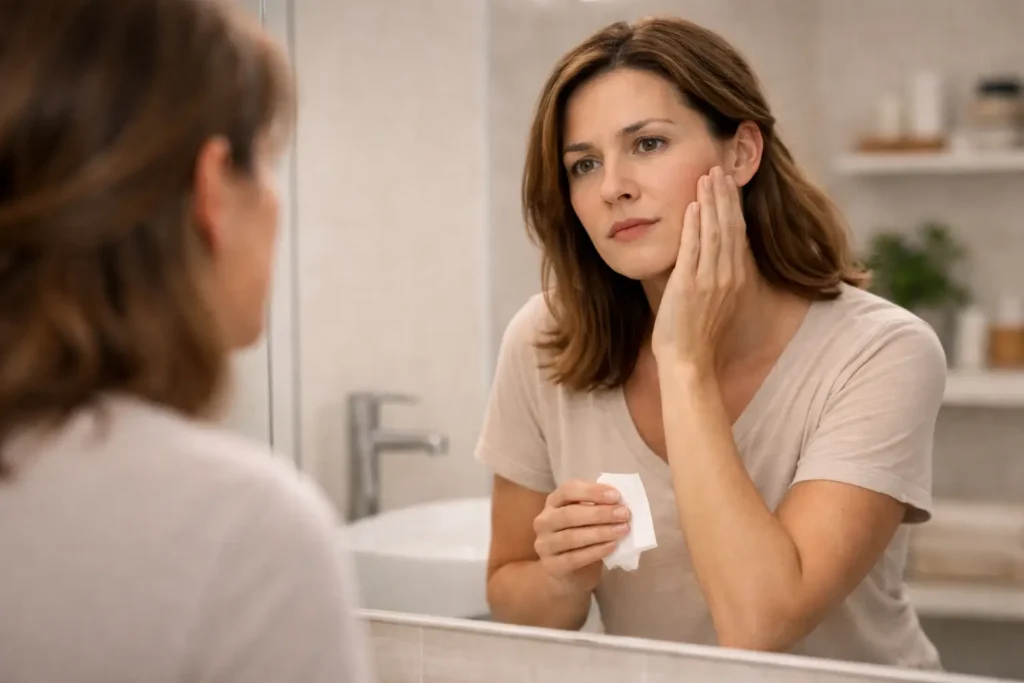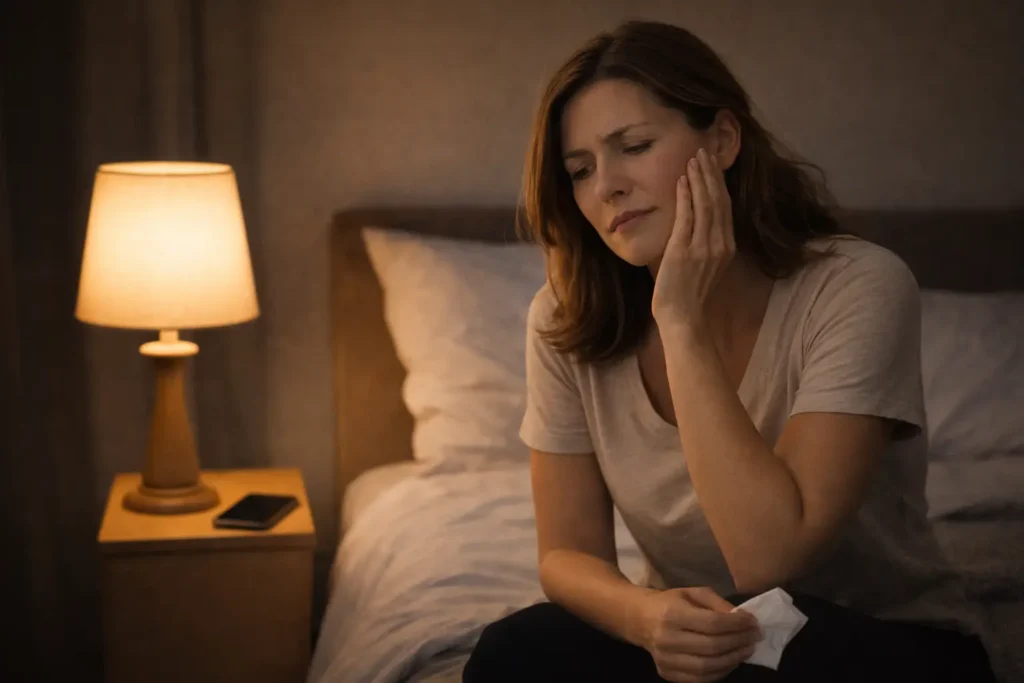
That sudden, sharp pain. 😬 The unnerving crunch of a tooth on something that wasn’t supposed to be crunchy. The slow, throbbing ache that wakes you up at 2 AM. We get it — when a dental problem shows up “out of nowhere,” it can feel like your whole life just got interrupted.
And it’s not just the pain. It’s the panic that follows.
Your brain starts sprinting: “What is this? Is it serious? Who do I call? What if I can’t afford it? What if it gets worse overnight?” 💬
If that’s you right now, take a breath. 💙
You are not overreacting. This stuff is scary — especially when it’s in your face, in your mouth, in your sleep, and you can’t “ignore” it like a sore shoulder.
We’re an educational team dedicated to translating complex dental topics into plain, simple English. We’re not dentists, and this isn’t a clinic, but we are here to be your calm, clear guide through the noise and worry.
Our goal is simple: help you understand what might be happening, what to do next, and how to reduce the chances it happens again — so you don’t let a preventable dental emergency sideline your oral health.
Let’s do this together, one steady step at a time. ✨
First Things First: When to Stop Reading and Get Help NOW
Before we go any further, let’s be crystal clear about safety. Some dental problems are urgent. And some are true medical emergencies.
If you’re dealing with something that feels like it’s spreading beyond “just a tooth,” your priority is immediate professional help — not reading another paragraph. ❤️
If you are experiencing any of the following symptoms, please seek help from an emergency dentist or head to the nearest hospital emergency room right away:
- Severe, Uncontrolled Bleeding: Bleeding from the mouth that won’t stop with gentle pressure.
- Facial Swelling That Spreads: Swelling in your cheek, jaw, or neck, especially if it’s getting larger.
- Swelling Near Your Eye or Below Your Jaw: This could signal an infection that is spreading to dangerous areas.
- Difficulty Breathing or Swallowing: This is a critical red flag. Do not wait.
- High Fever with Tooth Pain: A fever (over 101°F / 38.3°C) combined with mouth pain can indicate a serious, systemic infection.
- A Bad Taste or Pus: This is a classic sign of a dental abscess, which is a pocket of infection that needs to be treated by a professional.
- A Serious Injury to the Face or Jaw: Any significant trauma, like from a car accident, fall, or sports injury, requires immediate evaluation.
If that list made your stomach drop a little… that’s understandable. 😬 A lot of people read it and think, “Wait — does my swelling count?” or “I don’t have a fever, but I feel awful.”
Here’s a calming way to think about it: if the problem is affecting breathing, swallowing, vision, fever, or fast-growing swelling, that’s a “don’t wait” situation. 🚑
Your safety comes first. Always.
Urgent vs. “Wait and See”: Understanding the Difference
Now let’s talk about the gray area — because that’s where most people live.
Not every dental problem means “ER right now.” But plenty of issues do deserve attention within 24–48 hours, even if you’re still functional.
And here’s the part people don’t say out loud enough: if something hurts badly, it already matters. Your body doesn’t create pain for entertainment. 😊
Here’s a simple way our team likes to break it down:
| Symptom / Situation | Is It Urgent? (Act Within 24-48 Hours) | What It Might Mean |
|---|---|---|
| Severe, throbbing, persistent toothache | YES | A deep cavity, nerve inflammation, or a potential abscess. |
| A knocked-out adult tooth | YES – The first hour is critical! | Dental trauma. Quick action can save the tooth. |
| A large crack or broken piece of tooth | YES | The inner pulp of the tooth could be exposed to bacteria. |
| A lost filling or crown causing pain | YES | The sensitive dentin underneath is exposed and vulnerable. |
| A painful, pimple-like bump on your gum | YES | This is very likely a sign of a dental abscess (infection). |
| Mildly bleeding gums when you floss | No (But see a dentist soon) | Often an early sign of gingivitis. Not an emergency, but a warning. |
| A very small chip on a tooth (no pain) | No (But see a dentist soon) | Cosmetic issue that should be smoothed to avoid cutting your tongue. |
| Dull ache that comes and goes | No (But see a dentist soon) | Could be a small cavity, sensitivity, or grinding. A clear warning sign! |
If you’re staring at this table thinking, “Ugh… mine is somewhere in between,” you’re not alone. 💬 That uncertainty is a very common worry — and it makes perfect sense.
Here’s a tiny mental trick that helps:
Think of it like the check engine light on your car. A flashing red light means pull over now. A steady yellow light means get it checked out before it becomes a major breakdown. Your body works the same way. ✨
And yes — dental problems can go from “annoying” to “expensive” faster than most people expect. That’s why we’re here: so you don’t let a preventable dental emergency sideline your oral health.
The Whispers Before the Shout: How to Spot Trouble Before It Becomes an Emergency
“It came out of nowhere.”
That sentence is so common it’s practically a slogan. 😬 But most dental emergencies don’t actually appear overnight. They build quietly — and your body gives clues.
The issue is that the clues are easy to dismiss when life is busy.
You’re working. You’re parenting. You’re traveling. You’re exhausted. You feel a tiny twinge and think, “I’ll deal with it later.” ❤️
And later becomes… later later.
Learning to notice the “whispers” early is one of the best ways to make sure you don’t let a preventable dental emergency sideline your oral health.
Let’s walk through the most common early warnings.
The Nagging, Occasional Toothache ☕
You know that weird little zap when you sip something cold? Or the dull ache that shows up for a day and then disappears?
That’s a whisper.
A toothache — even a small one — is your body’s alarm system. It doesn’t mean disaster. But it does mean something is irritated, inflamed, exposed, cracked, or strained.
Sometimes it’s a cavity slowly moving inward. Sometimes it’s an older filling with a tiny leak. Sometimes it’s nighttime grinding you didn’t realize you were doing. 💙
Here’s a relatable scene:
You’re in the kitchen. You take a bite of something crunchy. For half a second, there’s a “whoa” jolt… then nothing. You shrug it off. Two weeks pass. Then one night, you’re trying to sleep and the same tooth starts throbbing like it has its own heartbeat. 😬
That progression is exactly what people mean when they say it “came out of nowhere.” It didn’t — it just got loud.
Ignoring tooth pain is like hitting snooze on a fire alarm. The sound stops… but the situation doesn’t.
Swollen or Tender Gums That Bleed a Little 🩸
A lot of people think bleeding gums are normal.
They’re not.
Bleeding usually signals inflammation — often from plaque sitting at the gumline (gingivitis). That’s a whisper your gums are sending: “Hey… something here is irritating me.”
And if that irritation stays long enough, it can deepen into pockets where bacteria hang out below the gumline. Over time, those pockets can turn into bigger problems — including painful infections. 💬
If you’ve ever flossed, saw pink in the sink, and thought, “Well, at least I’m flossing…” — that’s understandable. But it’s also your sign to take it seriously.
Healthy gums are usually calm, pink, and not easily triggered into bleeding. ❤️
That Cracked Tooth or Lost Filling You’ve Been Ignoring 😬
This one is so common.
A small chip. A rough edge. A filling that popped out months ago. No pain. You tell yourself: “It’s fine.”
But here’s what’s happening in the background:
Enamel is the outer armor. Beneath it is dentin, and deeper still is the pulp (where nerves and blood supply live). Once the armor is compromised, bacteria and pressure have an easier path inward. ✨
Imagine a tiny crack in a windshield. It looks harmless… until one cold morning or one pothole later — and suddenly the crack spreads across the whole glass.
Teeth behave in a similar way. A small crack can turn into a big break at the worst possible time: during dinner, on vacation, before a meeting, at 1 AM on a weekend. 😬
Fixing a lost filling is often simpler (and less expensive) than dealing with the bigger issue it can become if left open too long.
And again — the goal here isn’t fear. It’s control. You deserve to feel in control of your mouth, not at the mercy of it. 💙
You’re in Pain Now. Here’s Your Calm-Down and Action Guide.
Okay. Let’s come back to the present moment.
If you’re reading this while you’re hurting — or you’re panicking because something just happened — the prevention talk can wait.
Right now you need a plan that reduces stress and helps you act clearly.
Because panic makes pain feel worse. And uncertainty makes it feel ten times worse. ❤️
So let’s replace that uncertainty with something solid.
Checklist: Your First 30 Minutes
Follow these steps to gain control of the situation.
- Step 1: Breathe. ✨ Seriously. Take three slow, deep breaths. You are taking the first step by seeking information. You can handle this.
- Step 2: Rinse Gently. Swish your mouth with a cup of warm water mixed with half a teaspoon of salt. This can help clean the area and soothe irritated tissue. Do not swish aggressively.
- Step 3: Manage Swelling. If you have any swelling or trauma, apply a cold compress or an ice pack wrapped in a towel to the outside of your cheek for 15-20 minutes at a time. This can help reduce inflammation and numb the area.
- Step 4: Contain the Damage.
- Knocked-Out Tooth: Pick it up by the crown (the chewing surface), not the root. If you can, gently rinse it with milk or water (no soap!) and try to place it back in the socket. If not, store it in a small container of milk or your own saliva and get to a dentist immediately.
- Broken Tooth: Gather any large fragments you can find. Your dentist may be able to use them.
- Lost Crown: You can buy temporary dental cement at most pharmacies to gently place it back on as a short-term measure, but call a dentist.
- Step 5: Call for Professional Help. This is the most important step. Don’t just hope it gets better. Call a local dentist for guidance. Explain your symptoms clearly. Even if it’s after hours, their voicemail may have instructions for emergencies.
If you’re thinking, “I can’t believe I’m dealing with this right now,” that’s a very common worry — and it makes perfect sense. 💬 Dental emergencies never show up when it’s convenient.
They show up when you’re already tired.
Now, a quick reality check that helps a lot of people:
Many at-home steps can comfort you… but they can’t finish the job.
That doesn’t mean they’re useless. It just means they’re not the end of the story.
Here’s a simple way to see it:
| At-Home Comfort Measures (Temporary Relief) | Professional Dental Solutions (The Real Fix) |
|---|---|
| Rinsing with warm salt water | Draining a dental abscess to remove the infection |
| Applying a cold compress to your cheek | Performing a root canal to save an infected tooth |
| Using dental wax to cover a sharp edge | Placing a permanent filling or crown to protect the tooth |
| Taking an over-the-counter pain reliever | Prescribing antibiotics for a spreading infection |
| Using a temporary filling kit from a pharmacy | Professionally re-cementing a crown or creating a new one |
A product like a temporary dental repair kit can be a lifesaver if a filling falls out right before a big event. You can find them on sites like Amazon, but please remember: these are like a spare tire for your car. They are designed only to get you safely to the professional who can provide the permanent fix. They are not a substitute for seeing a dentist.
Here’s a micro-scene that’s real life for a lot of people:
You have a wedding, a flight, a job interview, or a deadline. A piece of tooth breaks and suddenly your tongue can’t stop touching it. It’s sharp. It’s distracting. You can’t even think straight. 😬
That’s when temporary steps can help you get through the next few hours — but you still want the real fix as soon as you can.
For a deeper dive into managing specific pains right now, our guide on what to do for a dental emergency until you get to the dentist offers more detailed steps you can take while you wait for your appointment.
And one more gentle reminder: if you notice swelling getting worse, fever, pus, or trouble swallowing — do not wait. 💙
How to Help Don’t Let a Preventable Dental Emergency Sideline Your Oral Health in the Future
Once the immediate situation is handled, people often feel two things at the same time:
- Relief.
- A strong “I never want to feel that again” promise to themselves. ❤️
That promise is powerful.
Because prevention isn’t about being “perfect.” It’s about making small routines so problems don’t get the chance to grow quietly.
And yes — it’s also about saving money, saving time, and saving sleep. 😬
Pro Insight from Our Team
After reviewing countless guidelines from sources like the American Dental Association, one truth stands out above all others: the power of the routine check-up. Many people see these visits as just a “cleaning,” but they are so much more.
During a check-up, a dental professional uses special tools and trained eyes to spot things you can’t possibly see or feel yourself. They can detect a tiny crack in a molar before it splits, find a cavity when it’s a small, easy-to-fix spot, and see the earliest signs of gum inflammation before it causes pain. Think of your dentist as a co-pilot for your oral health, helping you navigate away from trouble long before it appears on the horizon.
If you’ve ever avoided a visit because you were afraid they’d “find something,” you’re not alone. That’s a very common worry — and it makes perfect sense. 💬
But here’s the twist: catching something early is usually the difference between “small fix” and “big emergency.”
Now, let’s make prevention feel doable — not overwhelming.
The cornerstones of a solid prevention strategy
- Commit to Consistent Hygiene: This is the foundation. Brushing for two minutes, twice a day, and flossing once a day is your number one defense. It’s not about perfection — it’s about reducing plaque buildup that leads to cavities and gum irritation. 🦷
- Be Mindful of Your Diet: Sugar and frequent snacking feed bacteria that produce acids. That acid can attack enamel over time. You don’t have to live like a monk — just build tiny habits: water after sweet drinks, fewer “all-day sips,” and being mindful of sticky snacks. ☕
- Protect Your Teeth from Trauma: If you play sports, a mouthguard is one of the simplest “future you” gifts you can buy. If you suspect grinding at night (jaw soreness, morning headaches, tooth sensitivity), it’s worth discussing a nightguard option. 💙
- Don’t Use Your Teeth as Tools: We’ve all done it — tearing tape, opening packages, biting thread. 😅 Teeth are strong, but they’re not built to replace scissors. This small habit is one of the sneakiest ways people create chips and cracks.
And here’s one more “quiet” prevention tip people don’t talk about enough:
Pay attention to patterns.
If the same area is sensitive every time you drink something cold… that’s a pattern.
If the same tooth aches every few weeks… that’s a pattern.
If you always clench your jaw when stressed… that’s a pattern.
Patterns are your early-warning system. ✨
The goal is simple: fewer surprises, fewer late-night panic spirals, fewer “how did this happen?” moments — so you don’t let a preventable dental emergency sideline your oral health.
Navigating the Next Steps: Finding and Paying for Care When You Need It Most
Let’s be real for a second:
Even when you know you need care, the logistics can feel like the hardest part.
Finding a dentist. Getting in quickly. Understanding cost. Figuring out if insurance covers anything. Trying to do all of this while you’re in pain. 😬
That pressure is real — and it’s why many people delay longer than they should.
If you don’t have a regular dentist, the task can feel daunting. Where do you even start? Many people begin with a simple online search for “emergency dentist near me.” Then the next wave hits: pricing, availability, and uncertainty.
This is exactly why being prepared — even a little — can change everything. 💙
Dental insurance vs. other options (and why people get frustrated)
Many families discover (often too late) that traditional dental insurance can come with:
- monthly premiums
- annual maximums
- waiting periods for certain procedures
- confusing coverage rules
That doesn’t mean insurance is “bad.” It just means it isn’t always the quick, simple relief people expect when something urgent happens. 💬 That confusion is a very common worry — and it makes perfect sense.
A simpler alternative many people use: dental discount plans
An alternative that has helped many people access care more affordably is a dental discount plan.
These plans are not insurance. Instead, you pay an annual membership fee and get access to a network of dentists who have agreed to provide services at a significantly reduced rate.
One of the biggest reasons people like this option (especially in urgent situations) is that there are often no waiting periods — meaning you may be able to use the plan right away.
If you’re looking for a dentist and want to see how this works, you can easily Find a Dentist Near You That Accepts a Discount Plan.
And if you want clarity before you commit, take a moment to Compare The Dental Plans. Even reading a comparison calmly, before you’re in a crisis, can remove a huge amount of fear later. ❤️
Here’s a small micro-scene that might hit home:
Picture it’s Sunday evening. Your tooth starts screaming. You’re Googling, half-panicked, trying to figure out whether you can even afford to be seen. You’re not “shopping” — you’re trying to survive the next 12 hours. 😬
This is why having a plan — a dentist you trust, a clear payment option, a simple system — matters.
Even if you never use it, the peace of mind is real.
If you’re wondering what could be causing that specific, relentless pain, especially the kind that keeps you up at night, you might find our guide on why your toothache gets worse at night helpful for understanding the mechanics behind the misery.
You Are in Control
Let’s go back to the beginning.
That initial panic — the “oh no, what is this?” moment — is one of the worst parts of a dental emergency. It’s not just pain. It’s uncertainty. 💙
But now you have something most people don’t have in that moment:
- a clearer way to separate “urgent” from “watch closely”
- a checklist for the first 30 minutes
- a better sense of the warning signs your body gives early
- a path to finding care (and a way to think about affordability)
A dental emergency is scary, but it’s also manageable when you know what to look for and what to do.
By listening to early warning signs, seeking professional help before a problem escalates, and committing to a few simple prevention habits, you can take the driver’s seat. You have the power to ensure you don’t let a preventable dental emergency sideline your oral health — and keep your smile feeling healthier, calmer, and more stable over time. 😊
You’ve got this. Truly.
Medical Disclaimer: Content on BocaDentalUrgentCare.com is for educational purposes only and not a substitute for examination or diagnosis by a licensed dentist. If you experience pain, swelling, or urgent dental symptoms, seek professional care immediately.
Affiliate Disclosure: BocaDentalUrgentCare.com participates in affiliate programs (including discount plan partners, Amazon, and other trusted partners). When you buy through our links, we may earn a small commission — at no extra cost to you. These partnerships help keep our guides accurate, independent, and free for readers.
© 2026 BocaDentalUrgentCare.com | All rights reserved.