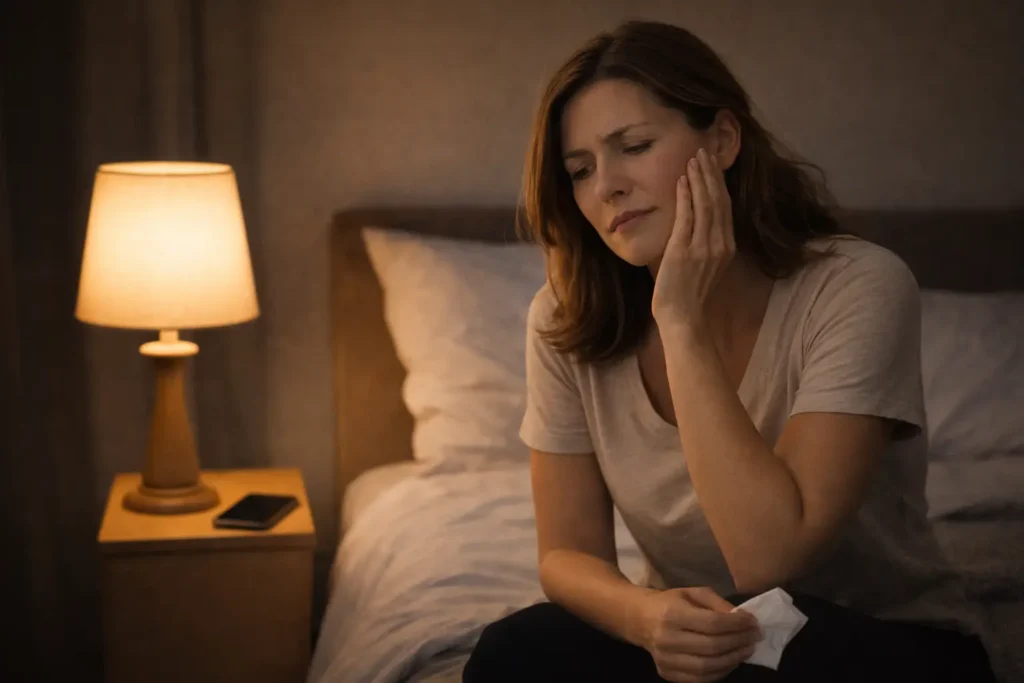
That sudden, jarring moment—a sports injury, an unexpected fall, or biting down on something impossibly hard. The world narrows to a single point of sharp, radiating pain in your mouth. 😬 Your heart pounds, and a wave of panic washes over you. What just happened? Is it bad? What do I do right now?
If you’re feeling that “oh no” rush… that’s a very common reaction — and it makes perfect sense. Oral trauma doesn’t just hurt physically. It can feel shocking, personal, and honestly a little scary. Your mouth is part of how you eat, talk, smile, laugh, show up in photos, and feel like you. So when something goes wrong, it can shake your sense of safety fast.
The good news is that you have the power to navigate this — and it starts right now. This guide is designed to be a calm, steady companion through the first stressful hours and the longer healing process. We’re not dentists, but an educational team dedicated to translating expert advice into plain English that’s easier to follow when your brain is spinning.
Together, we’ll walk through the immediate steps, the healing phase, and the long-term adjustments you can make. The goal isn’t just to get through this moment, but to help you change your lifestyle to overcome the pain of oral trauma for good — so you can feel steady, confident, and protected moving forward. You can do this. ✨
First, Let’s Address the Urgent Question: Is This an Emergency?
Before we go any further, let’s figure out what kind of help you need right now. When you’re in pain, it’s hard to think clearly. That’s normal. Take one slow breath in… and out. 💙
Now let’s look at the signs together. Some situations require a dentist’s immediate attention, while others point to a trip to the hospital emergency room.
Knowing the difference can save you time, stress, and help you get the right care faster.
🔴 Seek Immediate Professional Care (Dentist or ER) If You Experience:
- Severe, Uncontrolled Bleeding: Bleeding that doesn’t slow or stop after 10-15 minutes of firm, steady pressure.
- Trouble Breathing or Swallowing: This is the most serious red flag. Swelling in the mouth or jaw that obstructs your airway requires an immediate trip to the ER.
- A High Fever (over 101°F / 38.3°C) with Tooth Pain: This can be a sign of a serious infection spreading.
- Significant Facial Swelling: Especially if it’s spreading down your neck or up toward your eye. A swollen jaw or cheek that appears suddenly after an injury or with a toothache needs professional evaluation.
- A Bad Taste in Your Mouth Accompanied by Swelling and Pain: This often indicates a dental abscess, which is a pocket of pus from an infection that requires drainage and treatment.
- A Head Injury or Loss of Consciousness: If the oral trauma was part of a larger accident that involved hitting your head, prioritize a medical evaluation for a concussion or other head injuries at the ER. Your teeth can be addressed afterward.
- A Dislocated or Broken Jaw: If you can’t close your mouth properly or your jaw looks misaligned, go to the ER.
Your safety is the number one priority. If you’re experiencing any of the symptoms on that list, please stop reading and seek professional medical or dental help right away.
And if you’re not seeing those red flags — but you’re still scared — that’s valid too. It’s very common to feel unsure after oral trauma because a lot of dental damage can hide below the surface. You don’t have to “tough it out” to prove it’s serious. If something feels off, getting checked is still the smart move. ❤️
Understanding Oral Trauma: It’s More Than Just a Physical Injury
Oral trauma isn’t a single event; it’s the beginning of a healing journey. The term can cover anything from a chipped tooth or a busted lip to a tooth that has been completely knocked out. Sometimes it’s obvious and dramatic. Other times it’s subtle — a crack you can’t see, a tooth that feels “different,” a gum area that’s suddenly sore, a bite that no longer closes the same way.
If you’re thinking, “I don’t even know what counts as trauma,” you’re not alone. 😬 Trauma can be:
- A chipped or fractured tooth
- A cracked tooth (even if it still looks “fine”)
- A tooth pushed inward or loosened
- A cut lip, tongue, or gum tissue
- A bruised jaw or sore joint near the ear
- A tooth that changes color days later
- Pain when biting, chewing, or tapping a tooth
The initial shock is often followed by lingering pain, sensitivity, swelling, and a new, unwanted awareness of your mouth. Many people tell us they feel anxious about eating, speaking, or even brushing their teeth afterward. That’s a very common worry — and it makes perfect sense. Your body is trying to protect you from getting hurt again.
The path forward usually involves two key stages:
- Immediate Management: Taking the right steps in the first few hours and days to manage pain, prevent infection, and stabilize the situation.
- Long-Term Healing & Prevention: Making conscious adjustments to your daily habits to support your body’s recovery and protect your smile from future harm.
This is where the idea to change your lifestyle to overcome the pain of oral trauma truly comes into play. It’s not about a massive, overwhelming overhaul. It’s about small, smart choices that add up to big relief and lasting protection. 💙
Your Immediate Action Plan: The Next 24-48 Hours
Okay — let’s focus on the here and now. The actions you take right after trauma can make a huge difference in your comfort and recovery.
Also: if you’re reading this while holding your face, pacing your kitchen, or trying to “figure out what to do” in a fog… you’re exactly who this section is for. ❤️
One helpful way to think about the first 1–2 days is this:
- Your job is to stabilize.
- Your job is to reduce swelling and prevent complications.
- Your job is to get a professional evaluation as soon as you reasonably can.
You don’t need to diagnose yourself. You just need a calm plan.
Checklist: What to Do in the Next 30 Minutes
- ☐ Stay Calm and Assess: Take a slow, deep breath. Look in a mirror if you can, or use your phone’s camera, to see what happened. Is a tooth chipped, cracked, or missing? Is there bleeding from your gums or lip?
- ☐ Gently Rinse Your Mouth: Swish gently with lukewarm salt water (1/2 teaspoon of salt in a glass of warm water). This helps clean the area and can be soothing. Avoid aggressive swishing.
- ☐ Control Any Bleeding: If your gums or lip are bleeding, apply firm but gentle pressure with a clean piece of gauze or a damp tea bag. Hold it for at least 10-15 minutes.
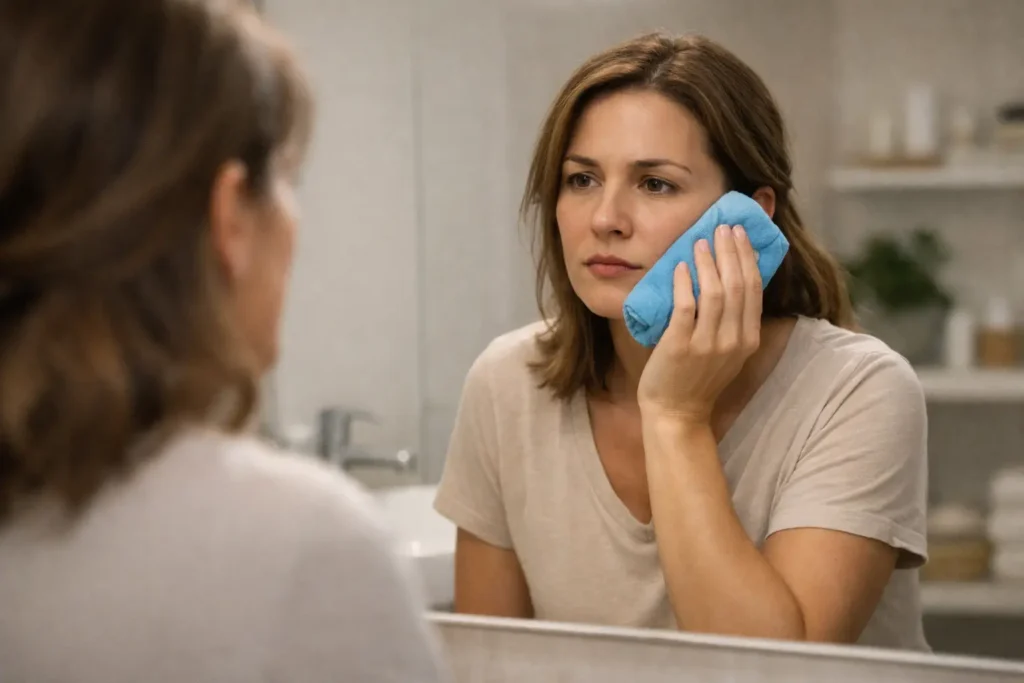
- ☐ Manage Swelling: Apply a cold compress or an ice pack wrapped in a thin towel to your cheek or lip on the outside of the injured area. Do this for 15-20 minutes on, then 20 minutes off, to help reduce swelling and numb the pain.
- ☐ Recover Any Tooth Fragments: If you can find a piece of a broken tooth or a whole tooth that was knocked out, handle it carefully. Pick it up by the crown (the chewing surface), not the root.
- For a whole tooth: Gently rinse it with milk or saliva (do not use water and don’t scrub it). Try to place it back in the socket. If you can’t, put it in a small container of milk or your own saliva and get to an emergency dentist immediately. Time is critical.
- ☐ Call a Dentist: This is the most important step. Even if the pain seems minor, trauma can cause damage below the surface. You need a professional to assess the situation. Explain exactly what happened and what your symptoms are. They will tell you what to do next.
If you don’t have a regular dentist or you need to find one who can see you urgently, resources are available. Many people start with online directories that help you find a local professional quickly. For instance, services like 1Dental can help you find a dentist in your area who might have emergency availability and accepts certain discount plans.
One more gentle reminder: it’s very common to minimize trauma in the moment — “It’s probably fine.” But if you notice any of these in the next 24–48 hours, it’s a strong sign you should be evaluated quickly:
- pain that intensifies instead of calming down
- swelling that spreads or becomes firm
- a tooth that feels “high” or your bite feels different
- sensitivity that’s sharp and sudden
- throbbing pain that wakes you up
- bad taste or drainage sensation
None of that means “panic.” It just means “get support.” 😊
The Healing Phase: How to Change Your Lifestyle to Overcome the Pain of Oral Trauma
Once you’ve been seen by a dentist and have a treatment plan, the focus shifts to recovery. This is where gentle, consistent lifestyle adjustments become your most powerful tool. It’s all about creating an environment where your body can repair itself without extra stress.
Think of healing like trying to fix a crack in a wall. If the wall keeps shaking, the crack keeps reopening. But if you stabilize the structure — softer foods, gentler brushing, calmer habits — your body gets the quiet space it needs to repair.
That’s the heart of how you change your lifestyle to overcome the pain of oral trauma: less strain, more support, day after day.
Adjusting Your Diet: From Crisis Mode to Conscious Eating 🥑
For the first few days (and sometimes longer), your mouth may be sensitive. Chewing can hurt. Certain temperatures can sting. And if there’s any looseness, biting the wrong way can feel scary.
If that’s you, take a breath — you’re not being dramatic. That’s a very common worry — and it makes perfect sense. 😬
For now, think: soft, cool, and soothing. You’re not “giving up real food.” You’re protecting healing tissue.
- First 24-48 Hours: Stick to liquids and very soft foods that require no chewing. Think smoothies (no straws, as suction can be bad for clots!), lukewarm soups, yogurt, applesauce, and pudding.
- The First Week: You can slowly introduce foods that are easy to chew. Scrambled eggs, mashed potatoes, oatmeal, soft-cooked pasta, and flaky fish are great options.
- Foods to Avoid: For a while, you’ll need to say goodbye to anything hard, crunchy, chewy, or sticky. This includes nuts, popcorn, hard candies, crusty bread, steak, and sticky caramel. Also, avoid spicy or acidic foods that can irritate injured tissues.
Here’s a small, real-life picture: imagine sitting down to eat, and instead of bracing for pain, you already know your meal won’t hurt. That sense of safety matters. ❤️ It lowers stress, helps you nourish your body, and keeps the injury from being re-irritated.
A few extra gentle tips that often help during recovery:
- Chew on the opposite side if your dentist says it’s safe.
- Take smaller bites than usual (it sounds obvious, but it changes everything).
- Avoid extreme temperatures early on — hot coffee and ice water can be a rough combo. ☕
- Stay hydrated, because dry mouth can make tissues feel more irritated.
This isn’t about deprivation; it’s about protection. Every gentle meal is a step toward feeling better. 😌
Rethinking Your Oral Hygiene Routine 🦷
Keeping your mouth clean is essential for preventing infection — but your usual brushing and flossing routine might be too intense right now. And if you’re afraid to brush because it hurts, you’re not alone. That’s a very common worry — and it makes perfect sense.
The goal is clean, without disruption.
- Gentle Brushing: Use an extra-soft-bristled toothbrush. Brush your other teeth as usual, but be extremely gentle around the injured area. Your dentist might give you specific instructions, like avoiding the site altogether for a day or two.
- Rinsing is Key: Continue to rinse with lukewarm salt water 2-3 times a day, especially after meals. This helps dislodge food particles without direct contact. Your dentist may also recommend a medicated rinse.
- Flossing with Care: Ask your dentist about flossing. You’ll likely need to avoid the injured tooth but can gently floss the others.
A helpful mindset shift: for now, your routine is not about “perfect.” It’s about “safe and consistent.” 😊
If brushing near the injured area makes you tense up, try this: brush the non-injured areas first, take a breath, then gently approach the sensitive spot last. This tiny change can reduce that anticipatory anxiety.
Pro Insight: The Mind-Body Connection in Dental Healing
Our educational team often looks at research about the healing process, and one thing stands out: stress and anxiety can genuinely impact physical recovery. When you’re stressed, your body releases hormones like cortisol, which can increase inflammation and slow down tissue repair.
After oral trauma, it’s natural to feel anxious. Taking a few moments each day for deep breathing, listening to calming music, or practicing mindfulness can lower your stress levels. This isn’t just “feel-good” advice—it’s a practical part of a holistic healing lifestyle that supports your body’s natural recovery process. A calm mind can lead to a calmer mouth. ❤️
To make this super practical, here are a few “small but real” calming habits people often tolerate even when they’re uncomfortable:
- 60 seconds of slow breathing before meals
- a warm shower and gentle jaw relaxation (no stretching into pain)
- a short walk outside to reduce stress hormones
- a “notes app” checklist so you don’t have to remember everything while stressed 💬
These little rituals can be part of how you change your lifestyle to overcome the pain of oral trauma — because they reduce the overall load on your nervous system.
The Mental and Emotional Side of Healing
We can’t talk about how to change your lifestyle to overcome the pain of oral trauma without acknowledging the emotional impact.
You might feel:
- nervous about chewing again
- anxious about dental visits
- worried your smile won’t look the same
- embarrassed that it happened
- frustrated by the slow pace of healing
If any of that hits home, you’re not alone. And you’re not “overreacting.” Oral trauma can feel intimate and vulnerable.
Please know this is a valid response to a traumatic event. Be patient with yourself.
- Acknowledge Your Feelings: It’s okay to feel nervous. Don’t dismiss your anxiety.
- Communicate with Your Dentist: Let your dental team know you’re feeling anxious. They can take extra steps to ensure you feel comfortable and in control during follow-up visits.
- Focus on Small Wins: Celebrate the first time you can eat a soft sandwich without pain or the day you realize the swelling has completely gone down. These victories build confidence.
Here’s a tiny micro-story that’s very real for a lot of people: you’re about to take a bite of something, you hesitate, your brain flashes back to the moment it happened… and you freeze. 😬 That pause is your brain trying to protect you. With time and safe experiences, that fear often fades.
And if you want calm, structured guidance for another scary dental situation, our guide on what to do for a painful tooth abscess offers clear steps that can reduce anxiety by giving you a sense of control.
Building Long-Term Resilience: A Lifestyle That Protects Your Smile 😊
As the immediate pain subsides and you return to normal, you can shift into the most empowering stage: prevention and resilience.
This is the moment where you stop feeling like the injury is “running your life” — and start feeling like you’re in the driver’s seat again. That’s a very common turning point — and it makes perfect sense that it can feel emotional. ❤️
This is also where the long-term version of change your lifestyle to overcome the pain of oral trauma really becomes real: you’re not just healing. You’re building protection.
Protective Gear and Habits
- Wear a Mouthguard: If you play any contact sport (or even non-contact sports with a risk of falls, like biking or skateboarding), a custom-fitted mouthguard is one of the best investments you can ever make. It acts as a shock absorber, protecting your teeth, jaw, and soft tissues.
- Break Bad Habits: We all have them. Chewing on ice, pens, or fingernails puts immense, unnatural pressure on your teeth, leading to cracks and chips over time. Make a conscious effort to stop.
- Use Your Teeth for Chewing Only: Don’t use your teeth to open packages, cut tape, or hold things. It’s a fast track to an avoidable dental emergency.
If you want a simple “daily protection check,” try this quick mental habit:
- Are my teeth being used as tools today?
- Am I clenching when stressed?
- Am I chewing ice, pens, or hard candy?
- Am I ignoring a tooth that feels “off”?
Small awareness = fewer surprises later. ✨
The Role of Regular Dental Visits
The single most effective lifestyle change for oral health is committing to regular dental check-ups and cleanings. Think of your dentist as your partner in prevention. They can spot tiny issues, like a small crack or a weakened filling, before they turn into a major trauma.
Regular visits take you out of the cycle of “emergency-only” care and put you in control. If cost is a barrier, it’s completely normal to feel stuck — and it makes perfect sense. Dental care can be expensive, and trauma is never “scheduled.”
That’s why it can help to explore options beyond traditional insurance. Dental discount plans, for example, offer reduced rates on a wide range of procedures for a low monthly or annual fee. They can make proactive care feel less out of reach. Learning how 1Dental discount plans work can be a great first step toward affordable, consistent care.
Making Sense of Dental Care Costs
Worrying about the cost of an unexpected dental visit can be as stressful as the pain itself. This financial concern is a major reason why people delay getting help.
If you’ve ever thought, “I can’t afford to deal with this right now,” you’re not alone — and that’s a very common worry that makes perfect sense. ❤️
It can be incredibly helpful to understand the landscape of payment options before you’re in a crisis.
Table: Navigating Urgent Dental Care Costs
| Option | How It Generally Works | Best For… |
|---|---|---|
| Dental Insurance | You pay a monthly premium. The plan covers a percentage of costs for specific procedures after you meet a deductible. Often has an annual maximum. | People with existing coverage through an employer or the marketplace. Best for planned, non-urgent work. |
| Dental Discount Plans | You pay a low monthly or annual fee to join a network of dentists who offer services at a reduced price (e.g., 15-50% off). No waiting periods or annual caps. | Individuals or families needing immediate savings on urgent care, or those without traditional insurance. |
| Third-Party Financing | Companies like CareCredit offer healthcare-specific credit lines, often with 0% interest for a promotional period. | Covering a large, unexpected bill that you need to pay off over several months. Requires credit approval. |
| Dental School Clinics | University dental schools offer low-cost care provided by students under the supervision of experienced dentists. | People who are not in a major rush and live near a university. Wait times can be long. |
Feeling prepared financially can significantly reduce the panic of a dental emergency. Taking a few minutes to compare dental plans can feel like a powerful, proactive step toward protecting both your smile and your wallet.
And if you’re looking for guidance on what to expect during an urgent visit, our resource on finding an emergency dentist can help you feel more prepared for the process.
Here’s the deeper “why” behind this section: when you understand your options, you replace fear with a plan. 💙 And that’s a major part of how people change their lifestyle to overcome the pain of oral trauma — not just physically, but emotionally and financially too.
You Are in Control of Your Healing Journey
Recovering from oral trauma is a process, and it’s one you don’t have to go through in panic. It begins with calm, decisive action in the first moments and becomes a series of gentle, protective choices over the days and weeks that follow.
Picture the future version of you: eating without flinching, brushing without fear, smiling without constantly checking your reflection. 😊 That future is built from small decisions made consistently — not one big “perfect” day.
By managing the immediate injury, adjusting your daily habits to support healing, and adopting a proactive mindset for the future, you truly can change your lifestyle to overcome the pain of oral trauma. You’re turning a moment of distress into a long-term sense of strength and resilience.
Remember to be kind to yourself through this process. Healing takes time. But with each soft meal, each gentle rinse, each calm breath, and each proactive decision, you’re taking back control and paving the way for a healthier, more confident smile. You’ve got this. ✨
Medical Disclaimer: Content on BocaDentalUrgentCare.com is for educational purposes only and not a substitute for examination or diagnosis by a licensed dentist. If you experience pain, swelling, or urgent dental symptoms, seek professional care immediately.
Affiliate Disclosure: BocaDentalUrgentCare.com participates in affiliate programs (including discount plan partners, Amazon, and other trusted partners). When you buy through our links, we may earn a small commission — at no extra cost to you. These partnerships help keep our guides accurate, independent, and free for readers.
© 2026 BocaDentalUrgentCare.com | All rights reserved.