

Dental urgent care: what to do now (and when to be seen today)
If tooth pain won’t let you sleep, swelling keeps getting worse, a tooth breaks, or a tooth gets knocked out — it makes sense that your brain jumps straight to “urgent dental care” or “emergency dentist near me”. Take a breath. Below you’ll find safe, practical next steps (no hype) and the fastest path to professional care.
What “urgent dental care” usually means: something that should be checked promptly (often same day or within 24–48 hours) to reduce risk of infection, worsening pain, or more damage — even if it’s not a life‑threatening emergency.
Most common urgent dental care situations

Severe toothache
Throbbing, sleep‑blocking pain, or pain that spikes with hot/cold or biting.

Swelling / possible infection
New jaw, cheek, or gum swelling — especially if it’s spreading or paired with fever.
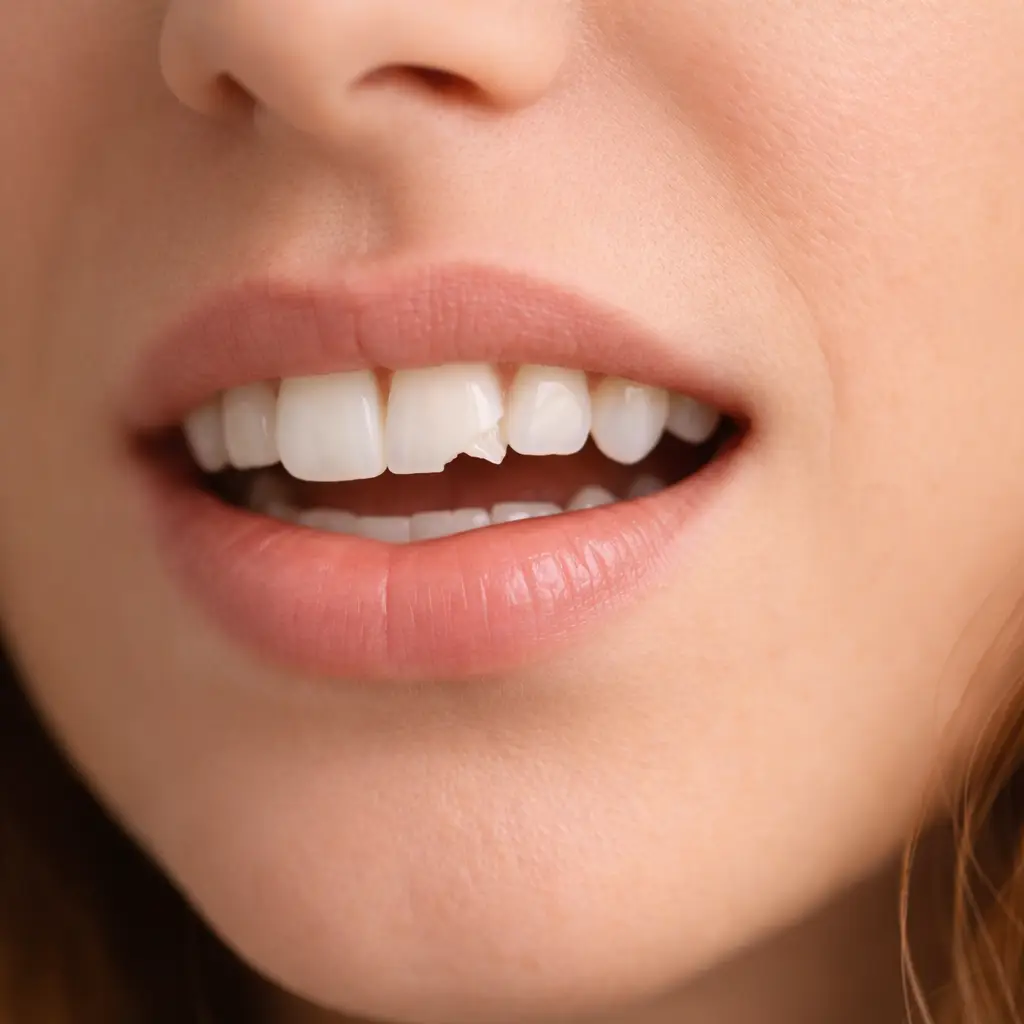
Broken / cracked tooth
Sharp edges, pain, or sudden sensitivity — cover it, protect it, and get seen.

Knocked‑out tooth
Time‑sensitive. Keep it moist and get urgent dental care immediately.
Emergency warning: If you have trouble breathing or swallowing, fast‑spreading facial/neck swelling, uncontrolled bleeding, chest pain, confusion, fainting, or you feel seriously unwell, seek emergency medical care immediately (call 911 in the U.S.). If your symptoms feel more medical than dental (fever + body symptoms, sore throat, sinus/ENT issues), see the virtual urgent care.
What to do in the next 10 minutes (simple, safe steps)
If you’re anxious right now, that’s normal. The goal is simple: protect the area, reduce irritation, and line up professional care as quickly as you can.
01
Pause + assess
Look for red flags: fast swelling, fever, bleeding, or a knocked‑out tooth.
02
Protect the area
Rinse gently, avoid chewing on that side, and keep the area as clean as possible.
03
Control discomfort
Use a cold compress outside the cheek. Avoid heat if swelling is present.
04
Get professional help
Call for same‑day urgent dental care (many offices can fit emergencies).
Note: Educational information only. Not medical advice. Not a dental clinic.
Urgent guides (choose what matches your situation)
Start with the guide that matches your situation. Each one is built for real “urgent dental care” search intent — quick clarity, safest next steps, and when to be seen today.
Severe toothache
What it can mean, safe short‑term relief, and the clearest signs you shouldn’t wait.
Knocked‑out tooth
Exactly what to do in the first minutes (and how to keep the tooth safe on the way).
Broken / chipped tooth
Protect sharp edges, reduce sensitivity, and avoid the common mistakes that worsen cracks.
Swelling (gums / jaw)
How to tell “watch it” vs “act now,” and which symptoms mean urgent evaluation.
Bleeding after a procedure
What’s normal after dental work, what’s not, and when bleeding needs urgent help.
Oral trauma
First‑aid basics for mouth injuries while you decide the safest place to go next.
Virtual urgent care (24/7): a medical back‑up when symptoms feel bigger than dental
This is not dental treatment. Think of it as a helpful “bridge” when you need urgent medical guidance quickly (non‑life‑threatening), you can’t get to a clinic, or your symptoms feel more medical than dental (fever, sore throat, sinus/ENT issues, headaches, respiratory symptoms, etc.).
Important: For true emergencies (breathing trouble, severe chest pain, uncontrolled bleeding, or swelling that affects swallowing), call 911.
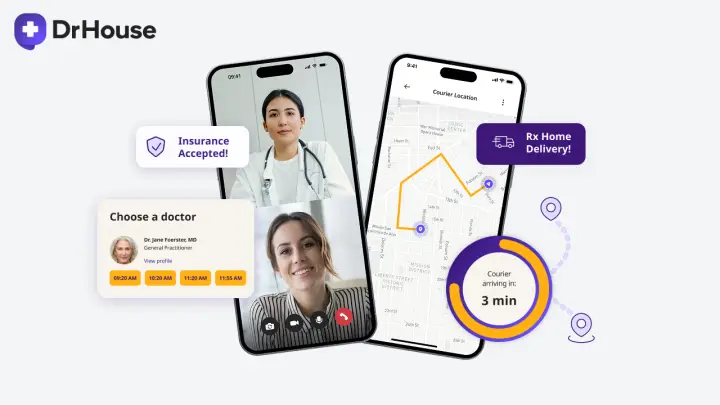
What DrHouse can help with
Non‑emergency urgent concerns such as ENT issues, headaches, respiratory symptoms, and other everyday urgent conditions.
Key idea: use it for urgent medical guidance — not for dental procedures.
How it works (simple)
Choose a doctor → start a video visit → prescriptions sent to your pharmacy (if appropriate).
Pricing on the page shows $129 without insurance (or your copay with insurance, if applicable).
When NOT to use virtual urgent care: breathing trouble, severe chest pain, uncontrolled bleeding, fast‑spreading swelling, confusion, fainting, or any life‑threatening emergency — call 911.
Worried about cost? Two practical ways to lower urgent dental visit fees
If you’re thinking “I need help today, but I can’t afford a full‑price emergency visit,” you’re not alone. A dental discount plan (not insurance) can lower the fees you pay at participating dentists. The key is choosing a plan, then confirming the office accepts it.

Aetna Dental Discount Plan (Aetna Dental Access)
Designed to reduce fees at participating dentists.
- Often lowers common procedure fees at participating dentists.
- Helpful when you need care soon and want more predictable pricing.
- Best next step: use the dentist finder and confirm the office accepts the plan before you go.

Careington Dental Plan (Care 500 Discount Dental Plan)
Another discount plan option for urgent + routine dental visits.
- Can reduce fees at participating providers (varies by dentist and procedure).
- Useful if you’re trying to avoid full‑price urgent visits.
- Compare plans first so you choose the best fit for your area.
Dental urgent care FAQ
Quick clarity for common “Is this urgent?” questions.
- Is tooth pain a dental emergency (or just urgent dental care)?
- Should I go to urgent care or the ER for tooth pain?
- Swollen face from a tooth: when should I go to the ER?
- Knocked-out tooth: what should I do right away?
- Broken tooth: is it an emergency?
- What can I do at home for tooth pain until I see a dentist?
- How much does an emergency dentist visit cost (and how can I save)?
BocaDentalUrgentCare.com
Educational content only. Not medical advice. Not a dental clinic. Always seek professional care for diagnosis and treatment. If you believe you have a life‑threatening emergency, call 911 (U.S.).
Affiliate disclosure: Some links may be affiliate links. If you use them, we may earn a commission at no extra cost to you.
© 2026 BocaDentalUrgentCare.com. All rights reserved.